
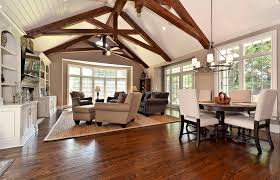
Renovation Resurgence: Modernizing Homes for 21st Century Living
In a rapidly evolving world, our living spaces must keep up with the demands of the 21st century. Homeowners are increasingly seeking ways to modernize their residences, making them more functional, efficient, and aesthetically pleasing. The renovation industry is experiencing a resurgence as people recognize the importance of updating their homes to align with contemporary lifestyles. Experience the renovation resurgence as homes are modernized to cater to 21st century living, transforming the ordinary into extraordinary dream home makeover. This article delves into the various aspects of renovating homes for the modern era, exploring design trends, sustainability, smart technology integration, and budget-friendly approaches.
Renovation and remodeling have become essential aspects of modernizing homes for 21st-century living, ensuring they meet the demands of contemporary lifestyles and technological advancements. As a result, homeowners are seeking renovation solutions that align with their modern needs and preferences. Renovating homes has become more than just a cosmetic upgrade; it’s about enhancing functionality and comfort.
Embracing Minimalism and Open Spaces
One of the defining features of modern design is minimalism. The trend of open spaces and clutter-free environments has gained traction as homeowners seek to create a sense of airiness and simplicity. Knocking down walls to merge living, dining, and kitchen areas has become a popular approach, fostering better flow and connectivity.
Incorporating Sustainable Materials
Sustainability is at the forefront of modern renovation. Homeowners are opting for eco-friendly materials that reduce their carbon footprint. Materials like reclaimed wood, recycled glass, and energy-efficient insulation not only benefit the environment but also contribute to healthier indoor living spaces.
The Rise of Smart Homes
The integration of smart technology has revolutionized how we interact with our homes. From voice-controlled assistants to automated lighting and security systems, smart homes offer convenience, energy efficiency, and enhanced security. The modern renovation project often includes the installation of these cutting-edge technologies.
Revamping Kitchens and Bathrooms
Kitchens and bathrooms are focal points of any home. Modern renovations in these areas focus on sleek designs, innovative storage solutions, and high-tech appliances. Smart faucets, touchless appliances, and minimalistic fixtures are becoming staples in these spaces.
Adapting Homes for Remote Work
The concept of remote work has reshaped how we view our homes. As more individuals work from home, renovating spaces to create functional home offices has gained importance. Converting nooks, corners, or underutilized rooms into productive workspaces is a common renovation trend.
Lighting and Energy Efficiency
Ample and well-designed lighting can transform a space. Modern renovations emphasize natural lighting and energy-efficient LED fixtures. Skylights, large windows, and innovative lighting controls contribute to both aesthetic appeal and energy savings.
Creating Multifunctional Areas
Modern homes need to adapt to various activities. Renovations often involve creating multifunctional spaces that can serve as a home office, gym, entertainment area, or guest room. Foldable furniture and convertible layouts are key elements in achieving this flexibility.
Budget-Friendly Renovation Strategies
Renovations need not break the bank. Homeowners are exploring cost-effective ways to modernize their homes, such as repurposing existing furniture, DIY projects, and focusing on high-impact areas like the entryway or focal walls.
The Role of Professional Designers
While DIY renovations are on the rise, professional designers bring valuable expertise to the table. They understand the nuances of modern design trends, space optimization, and functional layouts, ensuring a successful and aesthetically pleasing renovation.
Preserving Historical Charm
For homeowners with historic properties, modernization can be a delicate balance between preservation and renovation. Blending modern amenities with the charm of the past requires thoughtful design that respects the home’s unique character.
Enhancing Curb Appeal
Modernizing a home’s exterior is just as important as its interior. Renovations may involve updating siding, landscaping, and entryways to create a visually appealing and cohesive look that reflects contemporary design sensibilities.
Renovation ROI: Adding Property Value
Investing in renovation can yield substantial returns, particularly when it comes to property value. Well-planned renovations that address modern needs can significantly enhance the resale value of a home.
Overcoming Common Renovation Challenges
No renovation is without its challenges. Delays, budget overruns, and unexpected issues can arise. Proper planning, realistic expectations, and open communication with contractors are essential to overcoming these hurdles.
Conclusion
In the dynamic landscape of the 21st century, our homes need to evolve alongside us. Modernizing homes through thoughtful renovations not only enhances our living spaces but also aligns them with our contemporary lifestyles. Whether it’s embracing minimalism, integrating smart technology, or preserving historical charm, the resurgence in home renovations empowers homeowners to create spaces that truly resonate with the modern era.